
MODAL@UNINA
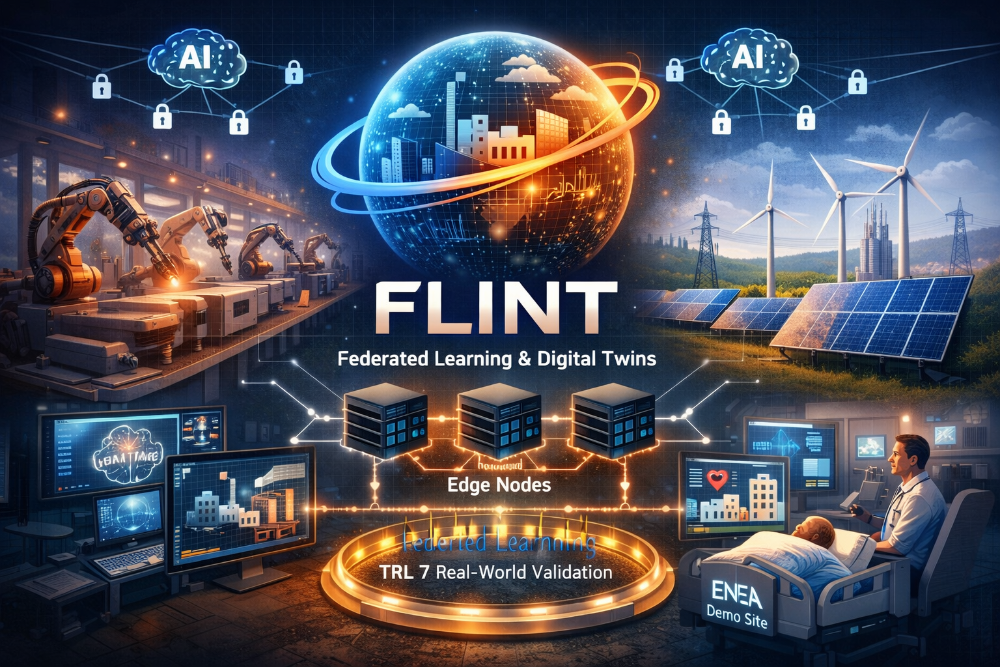
FLINT – Federated Learning for INdustrial Twins
MIMIT – Duration: 36 months – Starting Date: February 1st, 2026
CUP: ______ | Proposal Code: ______ | TRL Target: 7
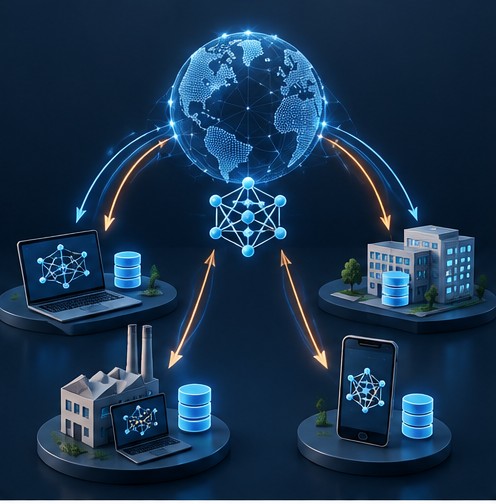
FLINT develops a federated, edge-based platform integrating Federated Learning and Digital Twins for privacy-preserving AI in critical sectors such as advanced manufacturing, energy systems and healthcare. The architecture enables distributed model training without data centralisation, ensuring security, energy efficiency and operational resilience. The project aims to reach TRL 7 through real-world validation, including industrial environments and demonstrators (e.g., ENEA).
ECHO-TWIN – Edge-Cloud-HPC Optimised Twins
PN RIC 2021–2027 – ICSC National Research Centre – – Starting Date: May 1st, 2026
Proposal Code: MI 701 | Actions: 1.1.2 / 1.1.3b / 1.4.3 |
ECHO-TWIN builds an integrated Edge–Cloud–HPC ecosystem for Digital Twin-enabled Smart Ecosystems across strategic domains such as health, climate, mobility and AI. The programme combines research (ECHO-TWIN-RISE), infrastructure federation and innovation hubs (ECHO-TWIN-NET), and advanced skills development (ECHO-TWIN-UP). It strengthens HPC and AI infrastructures in Southern Italy while promoting sustainable, DNSH-compliant digital innovation and technology transfer to SMEs.
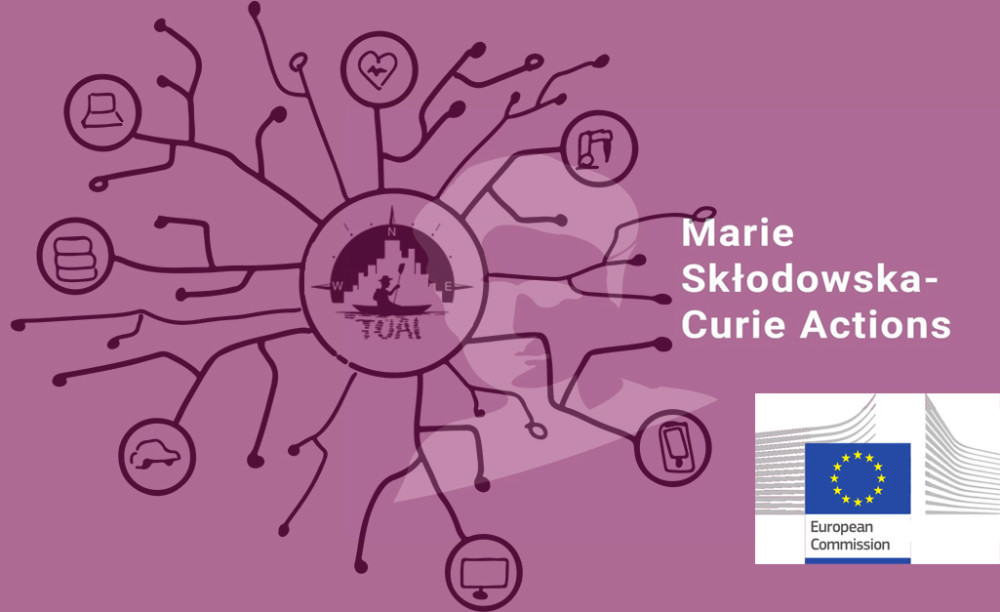
TUAI – Towards an Understanding of Artificial Intelligence via a Transparent, Open & Explainable Perspective
Horizon Europe – MSCA Doctoral Networks (HORIZON-MSCA-2023-DN-01) | Project No: 101168344
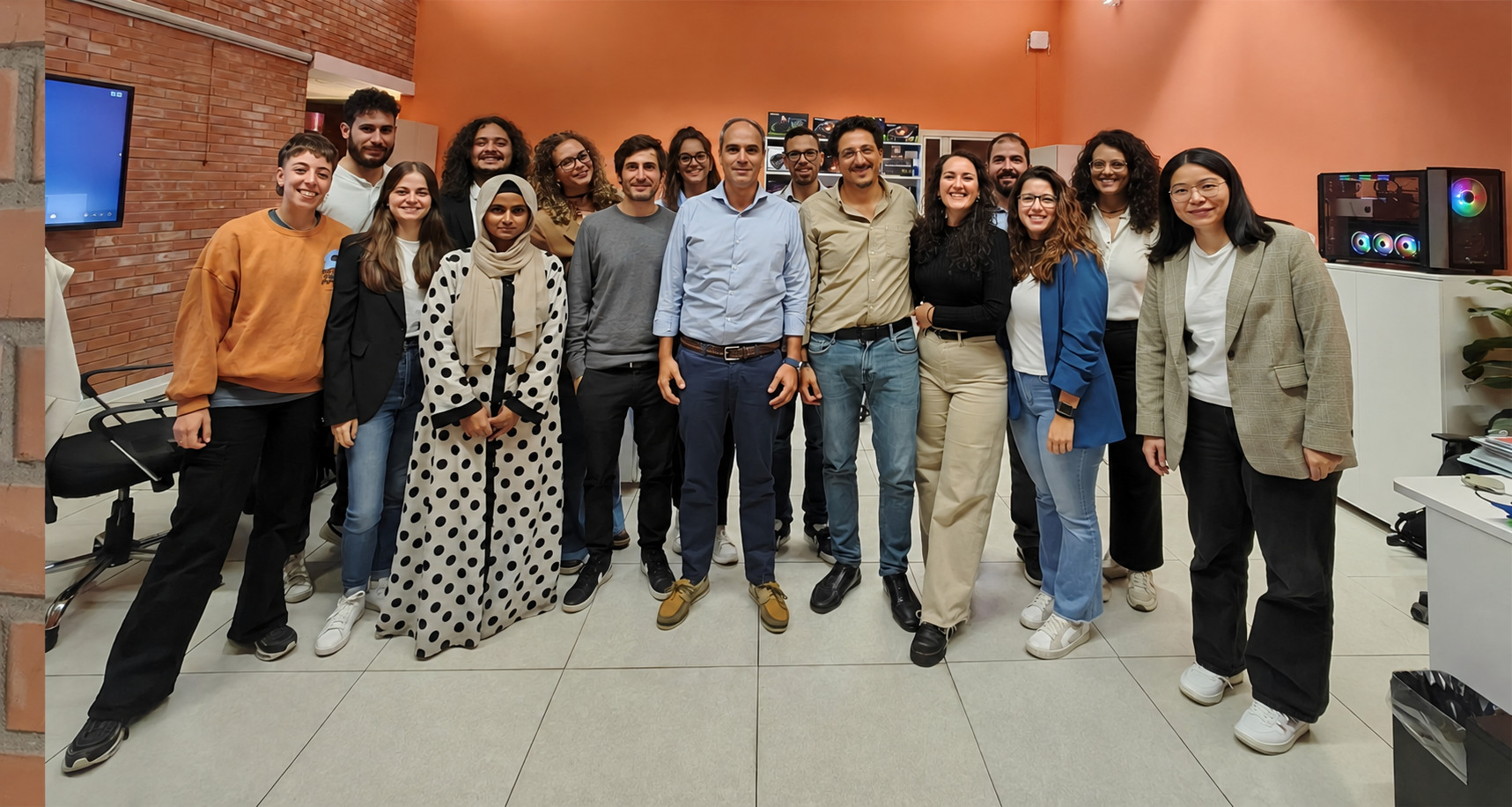
Oct 2024 – Sept 2028 (48 months) | Total budget: €3,358,980 | 13 Doctoral Candidates (DCs)
Granting Authority: REA | Coordinator: SUT (Politechnika Slaska, PL) | UNINA: Beneficiary

TUAI delivers high-quality doctoral training on sustainable and trustworthy AI for smart manufacturing, smart cities, smart healthcare, and smart mobility. The network combines academic excellence with strong non-academic exposure to prepare creative, entrepreneurial researchers able to develop AI that is transparent, explainable, robust and environmentally aware.

Research Areas (RAs)

  • Time Series Analysis for real-world predictive services
  • Sensor Fusion for multimodal intelligent systems
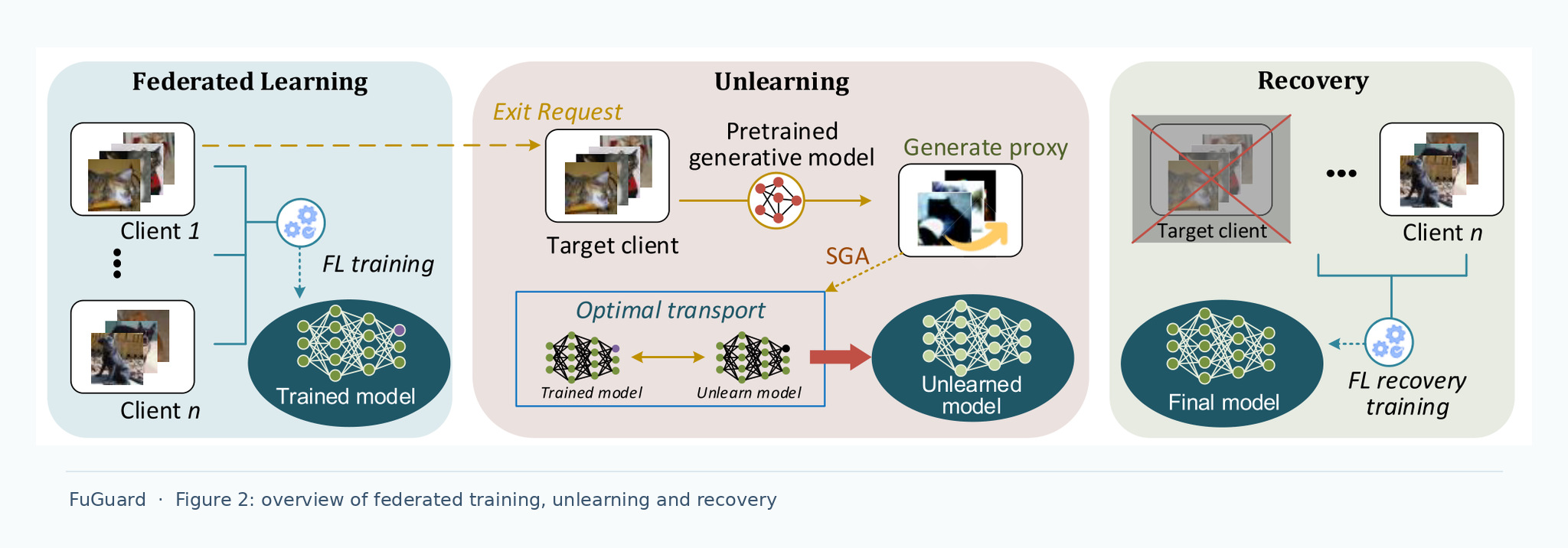
  • Federated Learning for privacy-preserving distributed intelligence
  • Sustainability & Trustworthiness (explainability, robustness, transparency)

Training Approach

  • Network-wide training activities and joint events
  • Intersectoral secondments (academia–industry)
  • Research + transferable skills (innovation, entrepreneurship)
  • Holistic training across all RAs (intertwined DC projects)

Consortium

Beneficiaries: SUT (PL), UNINA (IT), UPM (ES), NTNU (NO), UNIOVI (ES), HVL (NO).
Associated Partners (industry & research): CONFORM (IT), ALMAWAVE (IT), AIUT (PL), Continental/CONTI (DE), GMV (ES), BIOKERALTY (ES), TheNextPangea (ES), NORSK REGNESENTRAL (NO).

Expected Impact

  • Advanced AI methods for smart services that are both human- and environment-centered
  • Privacy-preserving ML (e.g., federated learning) and reliable AI pipelines
  • New highly skilled researchers for academic and non-academic careers across Europe
AIFEMO – AI-Optimized Fuel Efficiency in Maritime Operations
ICSC (Spoke 9) – Proponent: Univ. of Naples Federico II (DMA)
CUP: ______ | Project code: ______ | Duration: 18 months | TRL: 3 → 6–7
AIFEMO develops an AI framework for fuel-efficient maritime operations, focusing on optimal routing (weather routing) and operational settings to reduce fuel consumption and emissions. The project relies on simulation-based validation (CETENA simulator) and leverages ICSC/CINECA GPU computing resources for model training and optimization, aiming at a functional prototype validated in realistic scenarios.
SESG – Integrated Platform for Enhanced Analysis of Environmental, Social, and Governance Reports
ICSC – Spoke 9 | April 2024 – December 2025
Public Partners: UniSalento, UniBO, UniNA | Private Partners: IFAB
SESG develops an advanced AI-driven platform for the structured analysis of ESG (Environmental, Social and Governance) data extracted from non-financial reports (DNF). Leveraging state-of-the-art analytics, Natural Language Processing (NLP) and Large Language Models (LLMs), the project enables automated extraction and validation of quantitative and qualitative ESG KPIs, facilitating benchmarking and informed decision-making.
G.A.N.D.A.L.F – Gan Approaches for Non-iiD Aiding Learning in Federations
PRIN 2022 – Principal Investigator: Prof. Francesco Piccialli
CUP: ______ | Grant/Project ID: ______ | Funding body: ______
The project tackles the non-IID challenge in Federated Learning, improving robustness and performance in decentralized and Edge-AI settings. It combines GAN-based strategies with a blockchain layer to mitigate data integrity and security attacks.
D.I.R.E.C.T.I.O.N.S. – Deep learning aIded foReshock deteCTIOn Of iNduced mainShocks
PRIN PNRR 2022 – Research Unit Coordinator: Prof. Francesco Piccialli
CUP: ______ | Project code: ______ | Funding line: ______
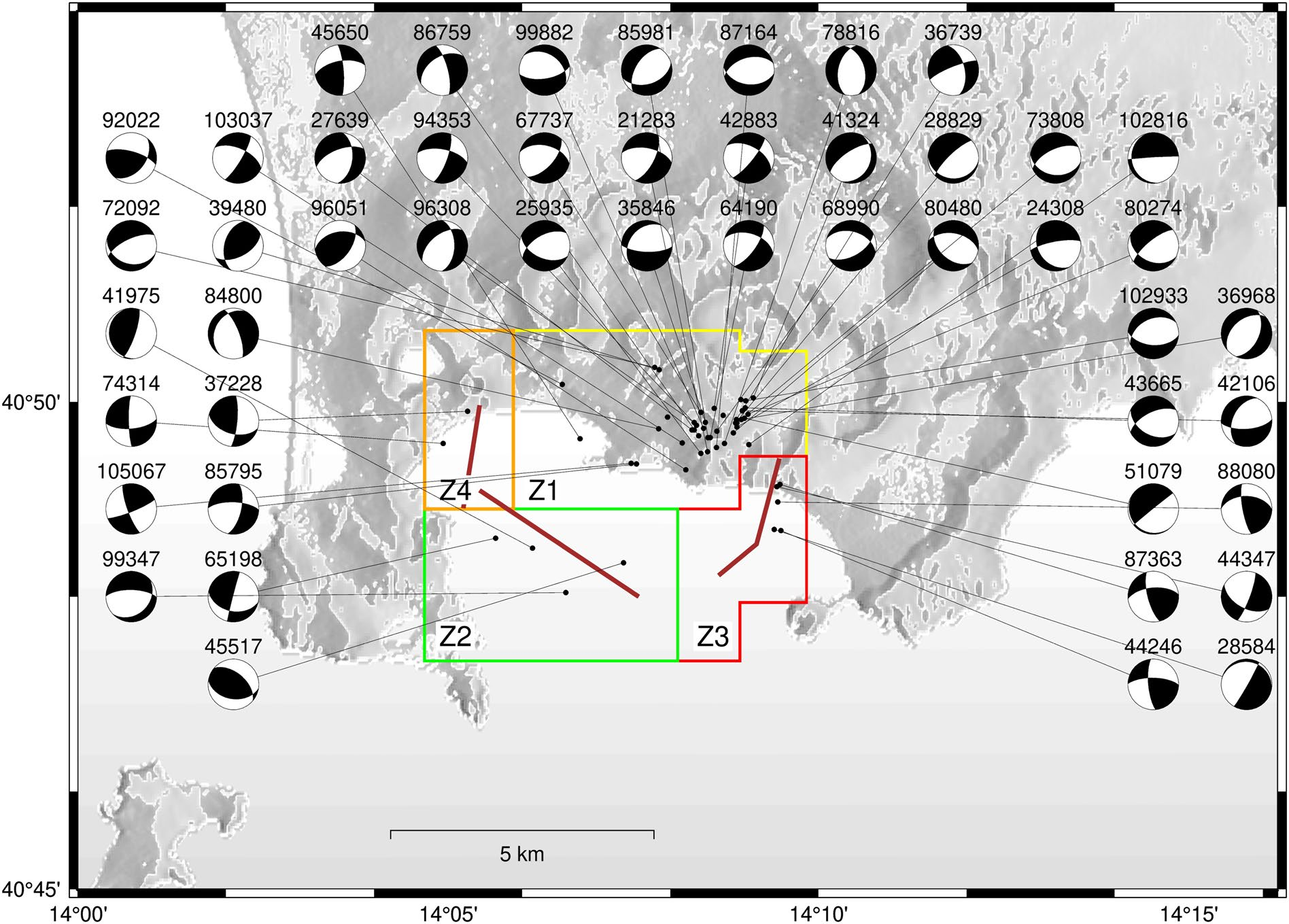
Deep learning methods to detect foreshocks related to induced seismicity in geothermal/energy operations. The project aims to reduce subjectivity in analysis by learning predictive patterns from seismic evolution during field activities.
C.L.A.I.M. – Artificial Intelligence for Competences and Learning
Erasmus+ KA220-VET (EU), 2023–2025 – Principal Investigator: Prof. Francesco Piccialli
Grant Agreement: ______ | Call/Action: KA220-VET | Partners: ______
AI-driven, competence-based tools for SMEs to assess skills and tailor training to real needs. The project supports digital transition and sustainability through personalized learning paths instead of generic training.
Deep-Learning-aided GPC-IR fingerprinting of complex polyolefin mixtures
2022 Call for Research Proposals – Dutch Polymer Institute – PI/Applicant: Prof. Francesco Piccialli
Project ID: ______ | Funding body: Dutch Polymer Institute | Call year: 2022
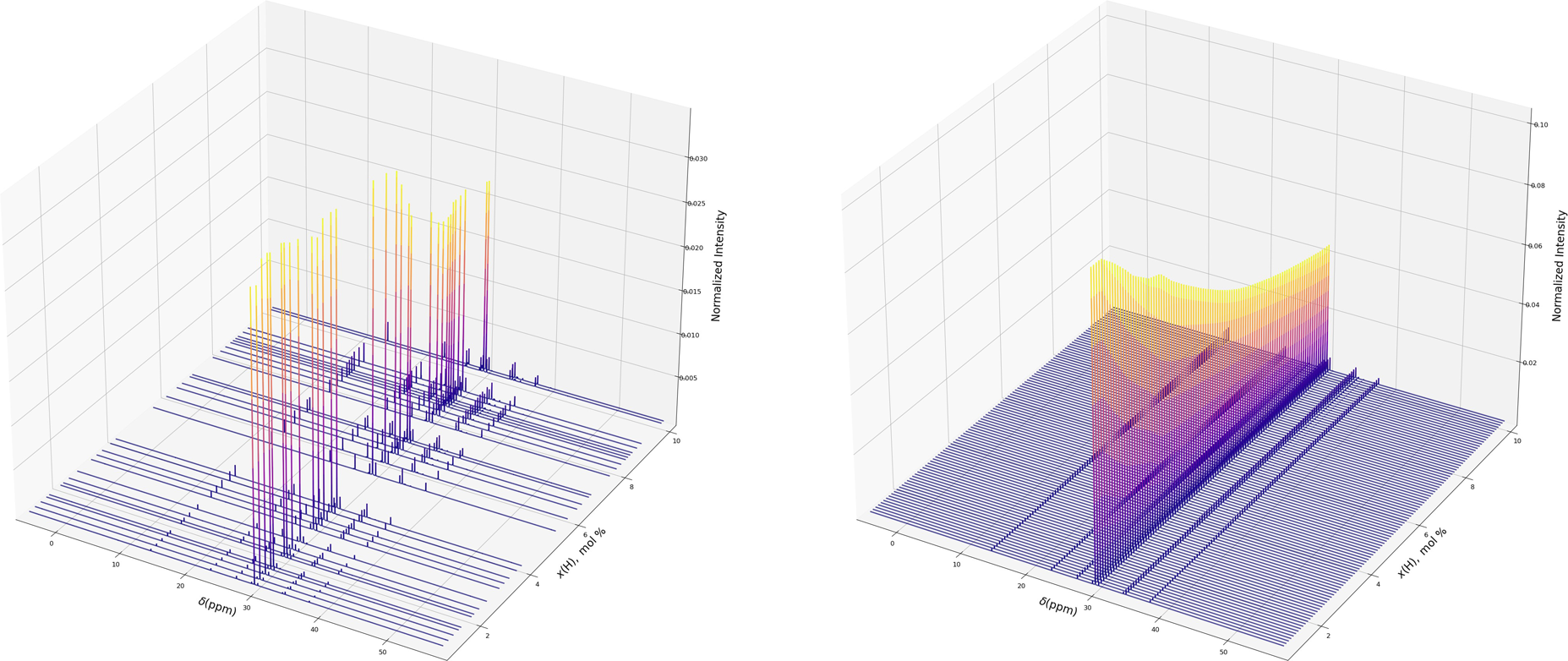
An interdisciplinary approach to improve mechanical recycling of polyolefin waste via rapid fine sorting. It integrates high-end GPC-IR characterization with AI models trained on molecular fingerprint archives to identify complex mixtures.
ELIXIR x NextGenerationIT – Consolidamento dell’Infrastruttura Italiana per i Dati Omici e la Bioinformatica
PNRR – Avviso n. 3264 del 28/12/2021 – Research Unit Coordinator: Prof. Francesco Piccialli
CUP: ______ | Avviso: 3264 (28/12/2021) | Workpackage/Node: ______
Strengthening the Italian ELIXIR node by consolidating services and infrastructure for bioinformatics and integrative omics. The project provides advanced platforms for high-throughput generation and analysis of genomic, proteomic and metabolomic data.
4.I. – mixed reality, machine learning, gamification and educational for Industry
M.I.S.E. Prog. n. F/190130/02/X44 – PI: Prof. Francesco Piccialli
CUP: ______ | Prog.: F/190130/02/X44 | POR/PON line: ______
A new industrial model for knowledge sharing, process supervision, maintenance, training and QA. It leverages mixed reality, machine learning, educational technologies and gamification to improve operational effectiveness.
BIOCHIP – Intelligent biosensors based on chimeric proteins
FRA 2020 – Research Unit Coordinator: Prof. Salvatore Cuomo
CUP: ______ | FRA call: 2020 | Host institution: ______
Intelligent biosensors designed by combining biochemistry, chemistry and informatics for high sensitivity and reliability across diverse matrices. Chimeric proteins are engineered for monitoring analytes relevant to diagnostics and food safety.
C.E.T.R.A. – Cultural Equipment with Transmedial Recommendation Analytics
POR FESR Campania 2014/2020 O.S. 1.1 – PI: Prof. Francesco Piccialli
CUP: ______ | POR FESR 2014/2020 | Phase: ______ (F1/F2)
A transmedial ecosystem combining IoT, machine learning, recommender systems, content adaptivity and Big Data analytics. It targets tourism and cultural processes across both permanent sites (museums) and itinerant/episodic events.
Modelli matematici per l’efficientamento energetico degli edifici
PON Ricerca e Innovazione 2014–2020
CUP: ______ | PON line: ______ | Partner institutions: ______
Research on PDE-based mathematical models for heat conduction, diffusion and radiation to optimize thermal insulation. The work supports energy-efficient building design and sustainable materials placement strategies.
CUP-i-One – CUP in un Click (in collaborazione con il CINI)
POR FESR Campania 2014/2020 O.S. 1.1 – Research Unit Coordinator: Prof. Francesco Piccialli
CUP: ______ | Project code: ______ | Compliance: GDPR / LEA / eHealth Strategy
Evolution of the healthcare booking platform (CUP) through system integration and interoperability standards. The project adds advanced analytics and KPI-based decision support while ensuring GDPR compliance and alignment with national eHealth guidelines.